Professional Food Photography with Mobile Devices
Learn how to capture stunning, professional-quality food photos using just your mobile device. Discover lighting, composition, editing, and styling techniques to elevate your food photography skills.
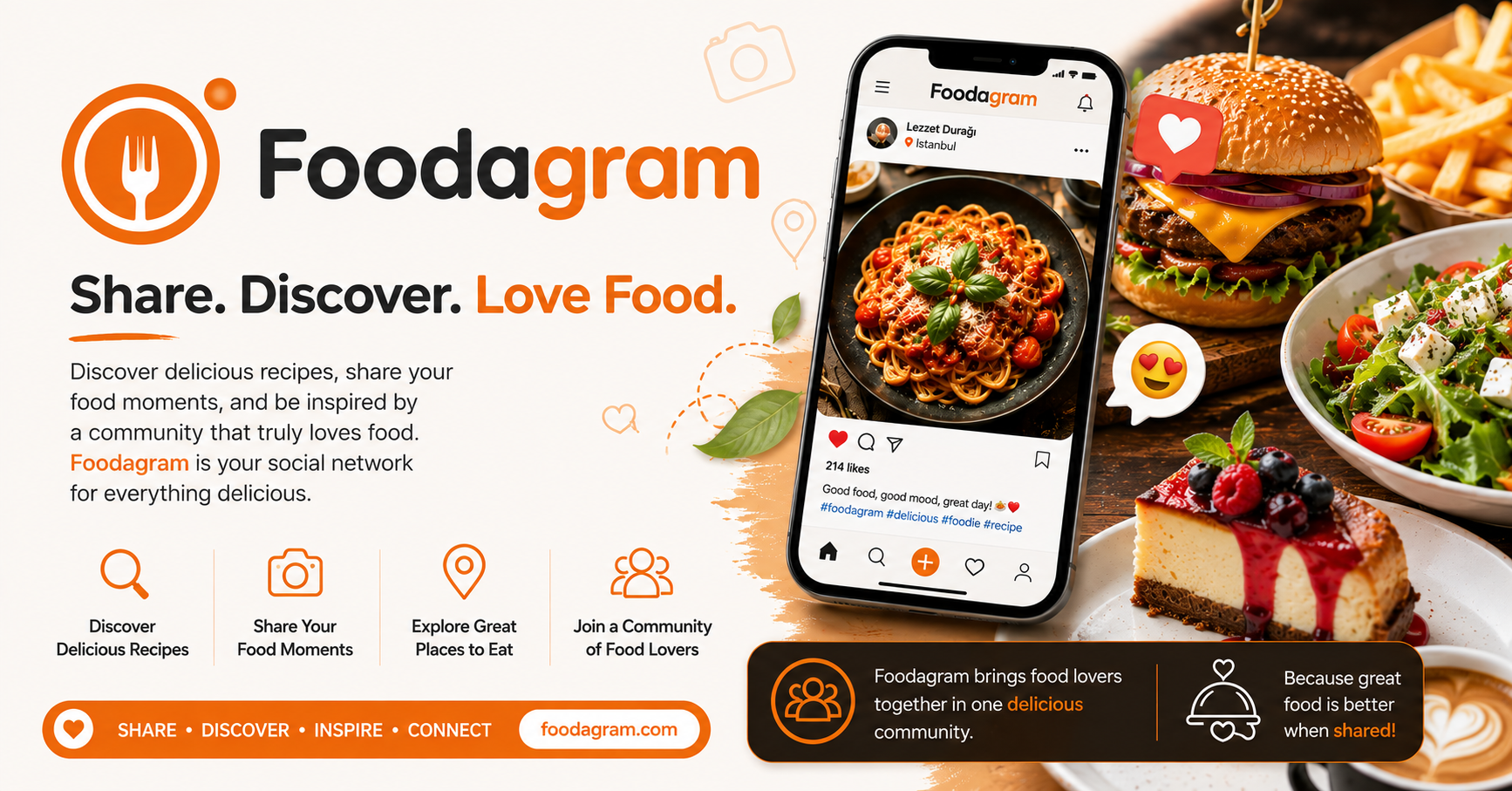
In recent years, mobile devices have revolutionized the way we capture images, including food photography. Thanks to advancements in smartphone camera technology, it’s now possible to take professional-looking food photos without expensive equipment. Whether you’re a food blogger, home cook, or simply passionate about sharing your culinary creations, mastering mobile food photography can make your dishes look irresistible. This article explores essential techniques to help you capture mouthwatering food images using your mobile device.
Harnessing Natural Light for Vibrant Food Photos
Lighting is the cornerstone of any great photograph, and food photography is no exception. Natural light, especially soft, diffused daylight, brings out the true colors and textures of food. Position your dish near a window with indirect sunlight to avoid harsh shadows and overexposure. Avoid using your phone’s built-in flash, as it often creates unflattering highlights and unnatural colors. If natural light is limited, consider using a white reflector or a simple piece of white paper to bounce light back onto your subject, enhancing brightness and reducing shadows.
Mastering Composition and Angles to Tell a Story
Composition guides the viewer’s eye and highlights the most appetizing parts of your dish. Start by decluttering the background to keep the focus on the food. Use the rule of thirds by placing the main subject off-center to create a more dynamic image. Experiment with different angles: overhead shots work well for flat dishes like salads or pizzas, while a 45-degree angle often showcases depth and layers in stacked or plated meals. Close-up shots can emphasize texture and detail, making the food look more tactile and inviting.
Styling and Background Choices to Enhance Appeal
Food styling is an art that complements photography. Use props such as rustic plates, textured napkins, or fresh ingredients to add context and visual interest. Choose backgrounds that contrast with the food colors to make the dish stand out, but avoid overly busy patterns that distract. Natural materials like wood or stone surfaces often work well. Keep garnishes fresh and minimal to avoid overcrowding the frame. Remember, the styling should support the food, not overshadow it.
Editing Techniques to Polish Your Photos
Post-processing can elevate your mobile food photos from good to great. Use photo editing apps to adjust brightness, contrast, and saturation subtly, enhancing the natural appeal of the dish. Be cautious with filters; overuse can distort colors and reduce authenticity. Sharpening the image slightly can bring out textures, while cropping can improve composition. Many apps also allow selective adjustments, so you can brighten specific areas or soften backgrounds. The goal is to make the food look as delicious and true-to-life as possible.